Product details
Product number
921-S7-09-00023
Flange
CF100
Vacuum insulator
10 kV
Material housing
Stainless steel
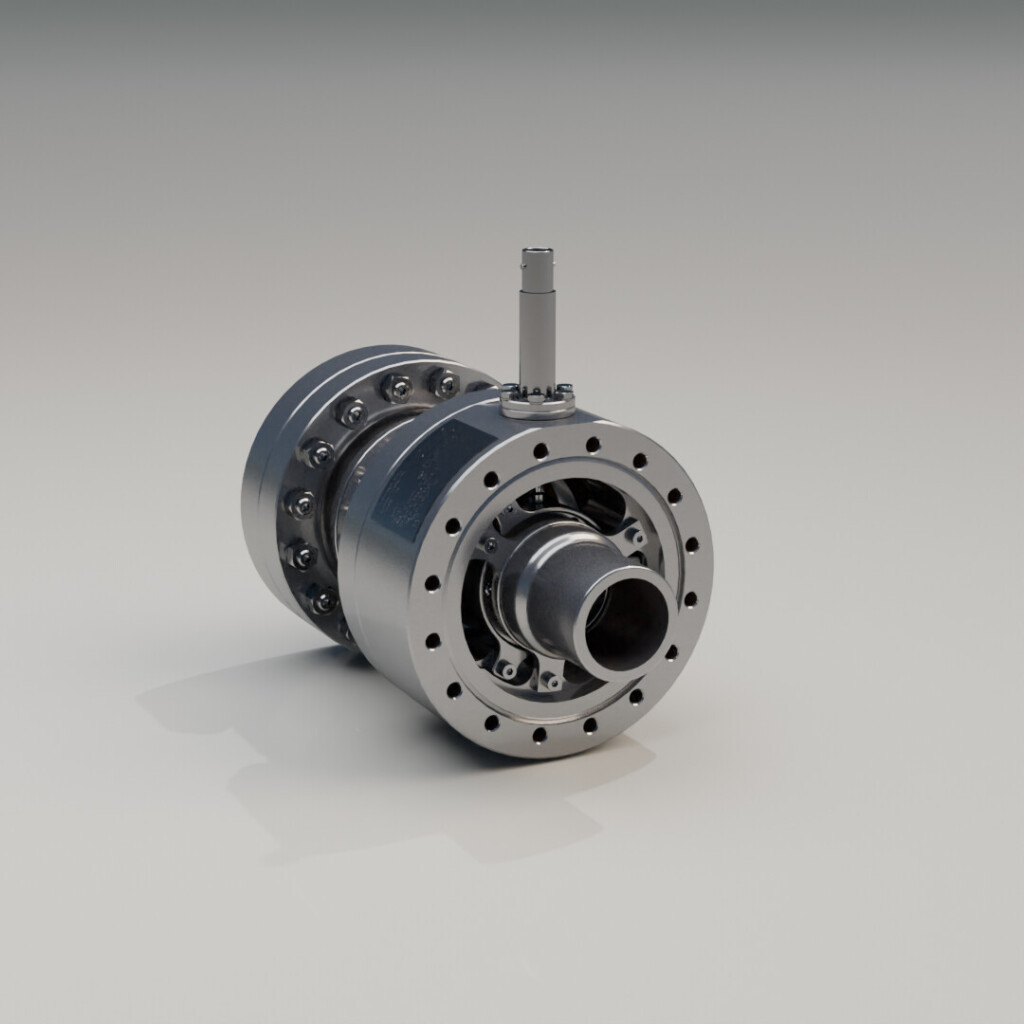
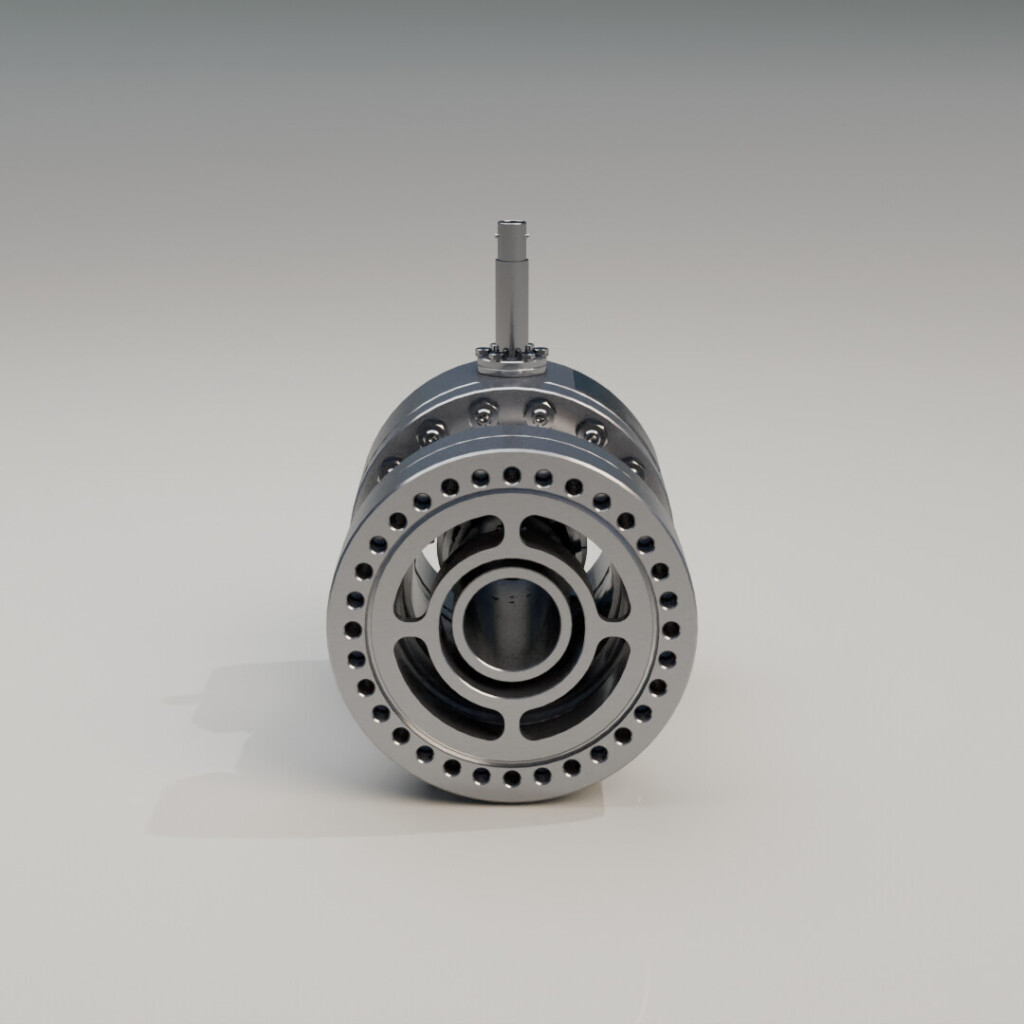
Electrostatic lenses are devices that steer and tighten beams of charged particles. Unlike a regular Einzel lens, where the outer cylinders share the same voltage, a transition lens can have different voltages for the outer cylinders. This lets the lens guide particles across a change in energy along the beam path. Transition lenses work in many environments, even ultra-clean vacuums.
Special features
Documents
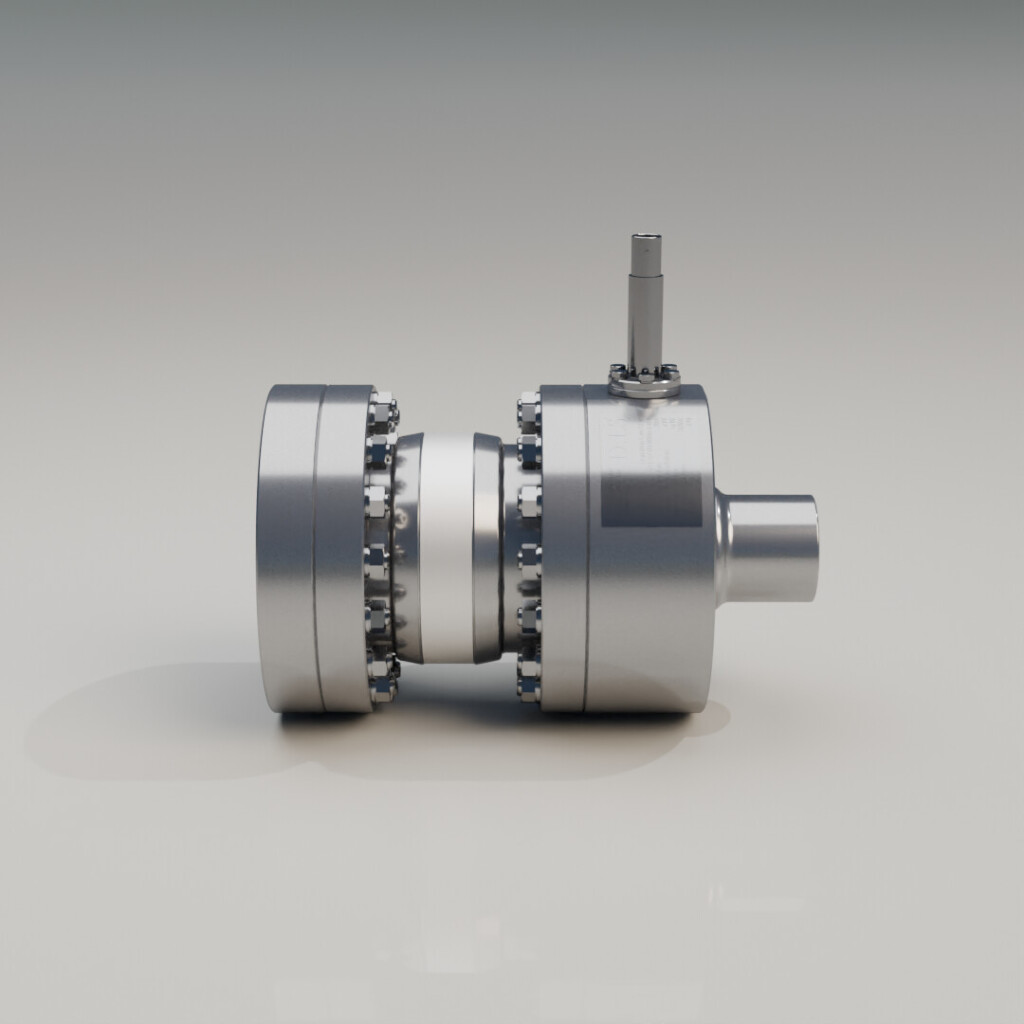
- Asymmetrical design of entry and exit electrodes
- Stainless steel housing
- DN100 CF beamline interface flanges
- 10 kV high voltage vacuum insulator DN100 CF
- 1st electrode grounded on entrance beamline section
- 3rd electrode grounded on exit beamline section
- DN16 CF 20 kV SHV feedthrough connected to electrode
- 40 mm electrode inner diameter
- Overall length 249 mm
- Flange to flange 198 mm